If you sleep alone, the reliable way to know whether you snore is to record a night of audio on your phone and listen back. Clues you might snore include waking with a dry mouth or sore throat, morning headaches, and daytime tiredness. Loud snoring with pauses or gasps is worth checking for sleep apnea.
Snoring is the classic thing you cannot catch yourself doing. If you share a bed, you will be told — usually with some feeling. But if you sleep alone, you can genuinely have no idea whether you saw logs all night or lay there in silence. What snoring is and what it signals is explained in the Wikipedia article on snoring. And it matters more than a punchline, because loud snoring can be the loudest clue to a treatable breathing problem.
How to know if you snore: the clues, without being told
Your body leaves evidence of a noisy night even if no one heard it:
- A dry mouth or sore throat on waking — snoring usually means mouth breathing, which dries you out.
- Morning headaches and waking unrefreshed despite enough hours.
- Daytime sleepiness you cannot quite explain.
- A partner (or a hostel roommate, or a camping trip) who has mentioned it — even once.
The only reliable way to know: record it
Clues are clues; the definitive answer is to record a night of audio on your phone and listen back. It settles the question in one night, and — more usefully — it tells you the two things that actually matter: how loud the snoring is, and whether it comes with pauses and gasps. Occasional soft snoring is common and mostly harmless. Loud snoring punctuated by silences and gasps is the pattern worth taking seriously.
Why snoring happens at all
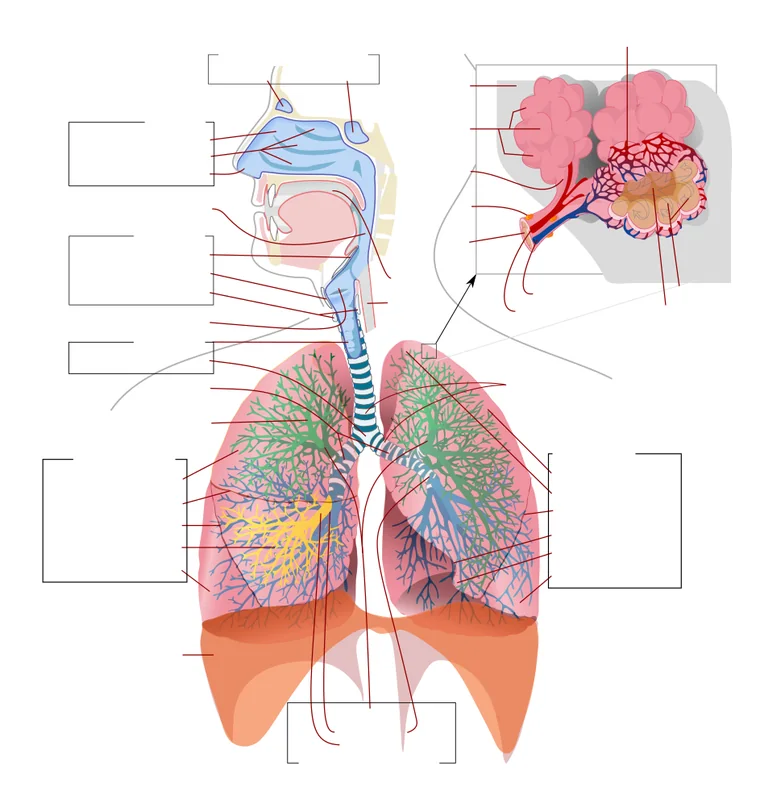
Snoring is the sound of relaxed tissue at the back of the throat vibrating as you breathe in. Anything that narrows or relaxes that airway — a blocked nose, sleeping on your back, alcohol, extra weight, the loss of muscle tone with age — makes it more likely. That is also why it can shade into sleep apnea, where the airway does not just vibrate but briefly closes.
When to see a doctor
See a doctor if you (or a recording) find loud snoring with pauses or gasps, if you are tired through the day despite enough hours, or if a partner has watched you stop breathing. Those point toward sleep apnea, which is very treatable once identified. Quiet, occasional snoring with no other symptoms is usually nothing to worry about.
Why "do I snore" is worth settling if you live alone
People who share a bed find out about their snoring whether they like it or not. People who sleep alone can go years without knowing — and that is precisely the group most likely to miss an early warning sign. There is no partner to notice the pauses, no one to say "you stopped breathing for a second there." So the tiredness gets blamed on work, the morning headache on screens, the dry mouth on the heating, and the underlying pattern never gets joined up. Settling the snoring question is not about vanity or a partner's comfort; for someone who lives alone it is often the only way disrupted breathing gets caught at all. One night of recorded audio replaces the missing witness — and if it turns out you snore quietly and evenly with no pauses, that is genuinely reassuring information too, not just a null result.
What to do with the recording once you have it
Once you have an honest answer, the recording stops being a curiosity and becomes the thing you work with. If the sound is soft, rare, and accompanied by no daytime tiredness, that is a trait, not a problem — and the practical levers are cheap: side-sleeping, cutting evening alcohol, and treating a blocked nose cover most cases. The levers are laid out in what actually causes snoring, and they are worth trying before anything costs money.
If the recording shows loud, persistent snoring — especially with pauses, gasps, or a rhythm that breaks — that crosses into the territory where untreated apnea matters, and the reasons are worth reading in why it is worth taking seriously. The key discipline is to record more than a single night: one night can be an anomaly, and a pattern over several nights is what you bring to any conversation about testing.
Where SleepTrace fits
SleepTrace answers the question directly: it records your night on your iPhone and shows you, on a timeline, exactly when and how loudly you snored — and whether pauses and gasps were part of it. No wearable, no guessing, and no relying on a partner's patience. One night gives you the answer, and something concrete to take to a doctor if it warrants it.
Frequently asked questions
The only reliable way is to record a night of audio on your phone and listen back. Clues like a dry mouth or sore throat in the morning, or daytime tiredness, hint at it, but audio is the definitive answer.
Snoring happens when the relaxed tissues at the back of the throat vibrate as you breathe in during sleep. A narrower airway — from sleep position, weight, alcohol, or a blocked nose — makes the vibration louder.
When it comes with loud, frequent snoring plus daytime sleepiness, morning headaches, or pauses in breathing that a partner notices. That combination can point to obstructive sleep apnea, which is worth diagnosing properly.
References
- Chiang JK, Lin YC, Lin CW, et al. Validation of snoring detection using a smartphone app. Sleep Breath (2022). Europe PMC
- Klaus K, Stummer AL, Ruf S. Accuracy of a smartphone application measuring snoring in adults — how smart is it?. Int J Environ Res Public Health (2021). Europe PMC
SleepTrace is a wellness app, not a medical device. This article is general information, not medical advice. If your symptoms are frequent, severe or worrying, please talk to a doctor.
Hear your own night. SleepTrace turns a night of audio into your sleep phases, the sounds you made, and how it all trends — no wearable, just the iPhone on your nightstand. Download on the App Store →