Untreated sleep apnea is worth taking seriously — over time it is linked to high blood pressure, heart problems, stroke risk, and dangerous daytime sleepiness. It rarely kills you suddenly in the night, but the long-term strain is real. The good news is that it is very treatable once diagnosed, so screening matters.
People often want a blunt yes-or-no: is sleep apnea dangerous? The honest answer is that untreated apnea is worth taking seriously — not because it is likely to kill you in your sleep tonight, but because of the slow, cumulative strain it puts on your body over months and years. The good news, and it is genuinely good, is that it is one of the more treatable serious conditions once it is actually found.
It also helps to know how common this is. A literature-based analysis in The Lancet Respiratory Medicine estimated that 936 million adults aged 30 to 69 worldwide have mild to severe obstructive sleep apnoea, of whom 425 million have the moderate-to-severe form most likely to need treatment. Sleep apnea is not rare, and it is not a personal failing.
Is sleep apnea dangerous? What untreated apnea does over time
Each apnea event is small — a pause, an oxygen dip, a jolt of adrenaline to reopen the airway. But they repeat dozens or hundreds of times a night, night after night, and the body pays for it. The consequences of untreated apnea are reviewed in the Wikipedia overview of sleep apnea. The well-established links to untreated obstructive sleep apnea include:
- High blood pressure — the repeated oxygen dips and adrenaline surges keep the cardiovascular system on alert.
- Heart problems and stroke risk — sustained strain raises the odds over the long term.
- Type 2 diabetes and metabolic effects, partly through the hormonal knock-on of chronically broken sleep.
- Dangerous daytime sleepiness — the most immediate risk, especially behind the wheel.
- Mood, memory and concentration problems from never reaching enough deep, restorative sleep.
Why it does the damage: two views
The damage traces to two things happening together, all night. First, the airway itself: it repeatedly narrows and closes, dropping oxygen each time.
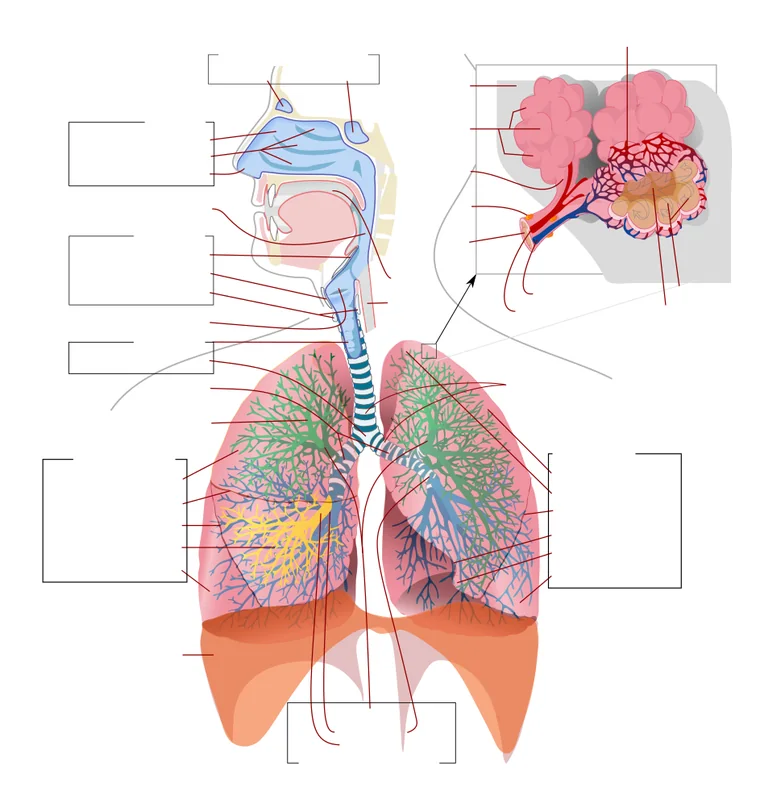
Second, the sleep itself: those arousals shatter the night, so you never bank enough deep, restorative sleep — which is why untreated apnea leaves people foggy and exhausted even after a "full" eight hours.
Sleep apnea is rarely a sudden danger and often a slow one. That is exactly why it is worth finding — the harm is preventable.
The reassuring part
Once diagnosed, apnea is very treatable — through CPAP, oral devices, positional and lifestyle changes, or treating a nasal obstruction, depending on the cause and severity. Treatment reliably reverses the daytime sleepiness and reduces the long-term cardiovascular strain. The dangerous version of sleep apnea is the undiagnosed version.
When to see a doctor
See a doctor if you snore loudly with pauses or gasps, if you are sleepy through the day despite enough hours, if you have high blood pressure that is hard to control, or if a partner has watched you stop breathing. Getting it on the radar is the whole battle.
What treatment actually changes
It is easy to focus on the risks and miss the flip side, which is genuinely encouraging: treating apnea reverses a lot of the damage, often fast. People who start effective treatment — most commonly CPAP, sometimes an oral device or positional and weight changes — frequently describe the daytime difference within weeks: the fog lifts, the crushing afternoon sleepiness fades, the morning headaches ease. Over the longer term, treatment lowers blood pressure and reduces the cardiovascular strain that made untreated apnea worrying in the first place, and it takes the edge off the accident risk that comes with driving while chronically sleepy. The point worth holding onto is that the danger of apnea is almost entirely the danger of leaving it alone. Found and treated, it becomes a managed condition rather than a slow-burning risk — which is exactly why getting a suspicion checked is so worthwhile.
What treatment actually changes
The flip side of the risk picture is genuinely good news: untreated apnea is the dangerous version, and treated apnea is a different story entirely. The standard treatments — continuous positive airway pressure (CPAP), a properly fitted mandibular device, or in well-selected cases surgery or position therapy — remove the repeated stress the body was under. Measurable daytime sleepiness drops, and the longer-term associations with blood pressure, cardiovascular events, and cognitive fog are what the restorative sleep restores.
What also changes is the practical experience: the person who "sleeps nine hours and still cannot get up" becomes someone who wakes on less and feels it. Not every treatment works for every person on the first attempt, and CPAP compliance is a real hurdle — but that is a problem of finding the right mask and support, not evidence that treatment is optional. The honest arithmetic is simple: the same condition that carries risk if ignored is highly treatable once named, which is why naming it is the whole battle.
Where SleepTrace fits
Since the danger lives in apnea going unnoticed, noticing is the win. SleepTrace records your night on your iPhone and shows whether your sleep is fragmented and whether snoring, pauses and gasps are present — turning an invisible, slow-burning risk into something you can see and take to a doctor before it does its quiet work.
Frequently asked questions
Sleep apnea itself is rarely an immediate cause of death, but untreated it raises the long-term risk of serious problems like high blood pressure, heart disease, stroke and heart-rhythm disorders, and it increases the immediate danger of drowsy-driving accidents. The important message is that it's very treatable — effective treatment reduces these risks — so the real hazard is leaving it undiagnosed for years.
References
- Benjafield AV, Ayas NT, Eastwood PR, et al. Estimation of the global prevalence and burden of obstructive sleep apnoea: a literature-based analysis. Lancet Respir Med (2019). Europe PMC
SleepTrace is a wellness app, not a medical device. This article is general information, not medical advice. If your symptoms are frequent, severe or worrying, please talk to a doctor.
Hear your own night. SleepTrace turns a night of audio into your sleep phases, the sounds you made, and how it all trends — no wearable, just the iPhone on your nightstand. Download on the App Store →