Waking up choking at night is most often acid reflux (a brief vocal-cord spasm as acid reaches the throat), obstructive sleep apnea, or post-nasal drip. Whether you were snoring beforehand, and whether it followed a late meal, usually tells you which. Get it checked if it is frequent or comes with witnessed breathing pauses.
Waking up choking — a sudden violent cough, a spasm gripping your throat, the certainty that no air is getting in — is your body's protective reflex firing at full force. It is alarming by design; the reflex exists to stop you inhaling something dangerous. But like waking up gasping, it almost always traces to a specific mechanism rather than anything mysterious, and the clue is usually in the night itself.
Waking up choking: the most common causes
Acid reflux and laryngospasm
The most frequent culprit is acid reaching the throat. When even a small amount touches the voice box, the vocal cords can clamp shut for a few frightening seconds — a laryngospasm — which is the textbook "I woke up unable to breathe, then it passed." A sour taste, a night cough, and a burning chest are the supporting clues, and it is more likely after a late or heavy meal, or alcohol. The airway condition behind the more severe pauses is covered in the Wikipedia overview of sleep apnea.
Obstructive sleep apnea
A blocked airway can end in a choke or a gasp rather than a clean breath. If snoring runs ahead of the choke and you are tired through the day, apnea is worth ruling out — it is the cause with the most at stake.
Post-nasal drip and a dry throat
Mucus from a cold, sinus problem or allergies pools at the back of the throat when you lie down and sets off a cough-choke. Very dry bedroom air does the same by irritating the airway directly.
Where it happens in the airway
Whether the trouble is a clamping voice box (reflux) or a collapsing airway (apnea), it is worth picturing the shared passage air has to move through while everything around it is relaxed in sleep — nose, throat and voice box stacked in one soft tube.
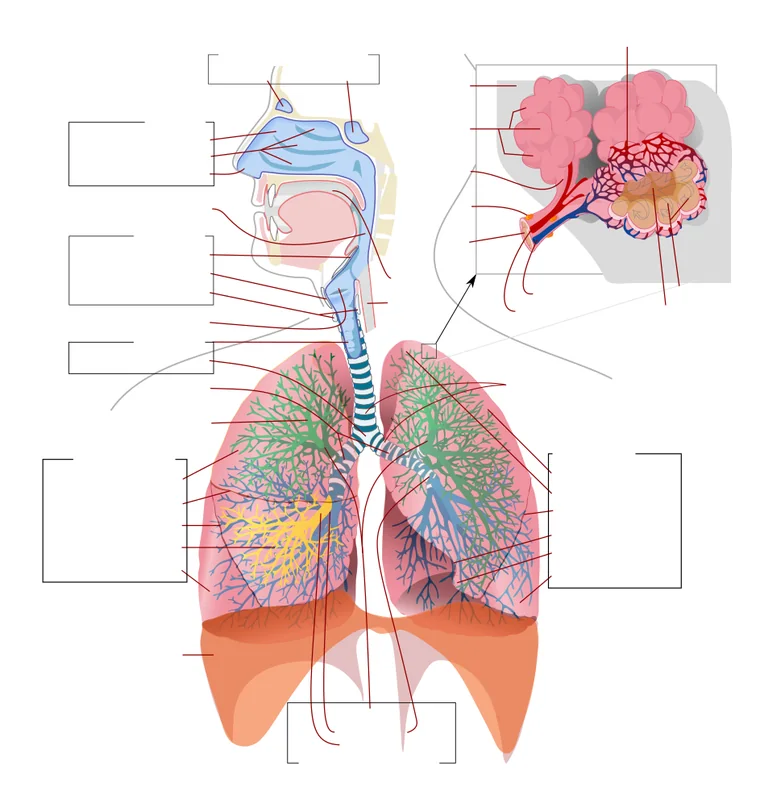
How to narrow it down
Two questions do most of the work:
- Was there snoring before the choke? Repeated snore-then-choke across the night leans toward a breathing problem worth screening for.
- Did it follow a late or heavy meal, or alcohol? That, plus a sour taste, leans toward reflux — and simple changes (earlier dinner, cutting evening alcohol, raising the head of the bed) often help fast.
Because it happens mid-sleep, the honest answer to "was I snoring first?" is usually "no idea." That is the gap a night of audio fills.
When to get it checked
See a doctor if it is frequent, if someone has watched you stop breathing, or if it comes with heartburn most nights, chest pain, or heavy daytime sleepiness. Both reflux and sleep apnea are very treatable once identified — the whole point is working out which one you have.
Simple things that often help tonight
Before any of this reaches a specialist, a handful of low-effort changes resolve a surprising number of night-time choking episodes, especially the reflux-driven ones. Stop eating two to three hours before bed, and keep that last meal lighter; a full stomach lying flat is the classic set-up. Raise the head of your bed by a few inches — a wedge pillow or blocks under the bed-head work better than stacking pillows, which just kinks your neck. Go easy on evening alcohol, which relaxes the valve at the top of the stomach and the throat muscles at the same time. If congestion is the culprit, treat the blocked nose. None of this is a substitute for getting recurrent choking checked, but for a lot of people it is the difference between a nightly ordeal and the occasional off-night — and it costs nothing to try first.
Where SleepTrace fits
SleepTrace captures the sounds of your night on your iPhone and pins them to your sleep stages. Instead of trying to reconstruct a 2 a.m. choke from a jolt of adrenaline, you can play back the minute before it and hear whether it was preceded by snoring, a cough, or silence — the detail that changes what you do next, and what you tell a doctor.
Frequently asked questions
The most common cause is acid reflux: acid reaches the throat while you lie flat and briefly triggers a vocal-cord spasm that feels like choking. Obstructive sleep apnea (a breathing pause that ends in a snort or gasp) and post-nasal drip are the other frequent culprits.
It can be. Obstructive sleep apnea pauses your breathing and the brain re-opens the airway with an arousal that can feel like choking or gasping. If you also snore loudly or feel tired during the day, apnea is worth mentioning to a doctor.
If reflux is the likely cause, try not eating for 2–3 hours before bed and elevating your head slightly. If congestion is involved, clearing the nose before sleep helps. When choking is frequent or a partner has seen you stop breathing, see a doctor.
SleepTrace is a wellness app, not a medical device. This article is general information, not medical advice. If your symptoms are frequent, severe or worrying, please talk to a doctor.
Hear your own night. SleepTrace turns a night of audio into your sleep phases, the sounds you made, and how it all trends — no wearable, just the iPhone on your nightstand. Download on the App Store →