Waking up gasping for air is usually caused by a brief pause in breathing (sleep apnea), acid reflux, a night-time panic arousal, or post-nasal drip. The most useful clue is what happened in the ten seconds before the gasp — snoring points toward apnea, a sour taste toward reflux — which is exactly the part you slept through. See a doctor if it is frequent or a partner has seen you stop breathing.
Few things are more frightening than being ripped out of sleep unable to breathe — a sharp gasp, a chest that feels clamped, a heart already pounding, and a second or two of genuine panic before the world settles back into place. If it has happened to you, the first reassurance is that it is common, and it almost always traces to a specific, findable cause rather than something vague and ominous.
The hard part is that the trigger fires while you are asleep, so you are left holding the fear with no memory of what set it off. That gap is where the dread grows — and it is exactly the gap worth closing, because the cause of the gasp is usually written in the ten seconds before it.
Waking up gasping for air: the usual causes, and how each feels
A pause in breathing (sleep apnea)
The most important cause to rule out is obstructive sleep apnea. During sleep the muscles that hold your airway open relax; in some people the airway narrows or briefly collapses, airflow stops, oxygen dips, and the brain fires an emergency arousal — often a gasp or a snort — to yank it back open. The condition at the top of the checklist is described in the Wikipedia overview of sleep apnea. You may not fully wake, but when you do, the gasp is the last thing you remember. The giveaways are loud snoring, a partner who has seen you "stop breathing", morning headaches, and daytime tiredness despite enough hours in bed.
Acid reflux at night
Lying flat lets stomach acid travel up toward the throat. When a little reaches the voice box, the vocal cords can spasm shut for a few terrifying seconds — the classic "I woke up and couldn't breathe, then it passed." A sour taste, a night cough, or a burning chest are supporting clues, and late heavy meals and alcohol make it far more likely.
A night-time panic arousal
Sometimes the airway is completely fine and the alarm is emotional: a surge of adrenaline wakes you breathless and dread-filled, and it takes several minutes to ease. It is real, it is treatable, and — importantly — it is a different problem from apnea, so telling them apart matters.
A blocked nose or post-nasal drip
A cold, allergies, or very dry bedroom air can leave mucus pooling at the back of the throat and trigger a cough-and-gasp reflex. This one usually announces itself with obvious congestion.
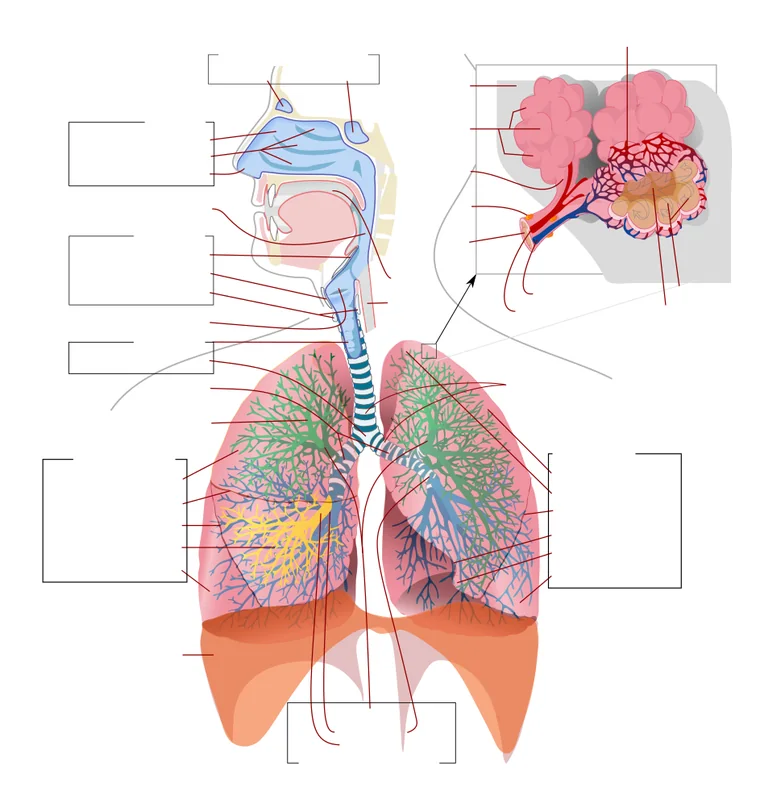
The apnea mechanism, in a picture
Because a breathing pause is the cause most worth ruling out, it helps to see where it happens. Air has to travel through the shared plumbing of nose, mouth and throat while every muscle around it is relaxed in sleep. In apnea, that soft tube narrows or closes; the oxygen drop is what triggers the adrenaline surge and the gasp.
How to tell which one is yours
The single most useful signal is what your body was doing in the seconds before the gasp. You cannot hold that in memory, but a phone on the nightstand can:
- Snoring or a snort right before the gasp, repeating several times a night → points toward the breathing side, and is worth a conversation about a sleep test.
- Silence, then one gasp after a big or late meal, with a sour taste → more consistent with reflux.
- No snoring, a slow build of dread, minutes to settle → more consistent with a panic arousal.
When gasping clusters with snoring and repeats through the night, the pattern points toward breathing; a single event after a heavy night out points elsewhere.
The gasp is the alarm. The useful information is the ten seconds before it — the part you were asleep for.
When to see a doctor
Please get it checked if the gasping is frequent, if a partner has watched you stop breathing, or if it comes with chest pain, severe daytime sleepiness, or morning headaches. These can point to sleep apnea or, less often, a heart or reflux problem worth treating. A one-off gasp after a late, boozy dinner is a different story.
What to do in the moment
When it happens, the fear itself is part of what keeps you rattled, so the first job is to bring the panic down. Sit up — being upright eases both reflux and a relaxed airway — and slow your breathing deliberately: a long, controlled out-breath tells your nervous system the emergency is over. Sip some water if your throat feels raw. Then, rather than lying there replaying it, make a mental (or literal) note of three things while they are fresh: roughly what time it was, whether you had eaten or drunk late, and whether you remember any snoring or a sour taste. Those notes are worth more than they seem — over a week or two they turn a scary, formless experience into a pattern, and a pattern is something a doctor can actually work with. If the gasping only ever follows a specific trigger, like a big late dinner, addressing that trigger is often the entire fix.
Where SleepTrace fits
SleepTrace records the sounds of your night with just your iPhone and lays them over your sleep stages, so you can scroll back to a 3 a.m. jolt and actually hear what came before it — the snore, the silence, the gasp. It will not diagnose apnea, but it turns a formless, frightening memory into something specific you can act on, or hand to a doctor. If snoring is part of the picture, read snoring and sleep apnea next.
Frequently asked questions
A racing heart with the gasp is common because the sudden arousal triggers a surge of adrenaline. The two frequent culprits are a brief pause in breathing (sleep apnea), which ends in a gasp, and a night-time panic arousal. Snoring right before the gasp points more toward apnea; a slow build of dread with no snoring points more toward panic.
No. It can also be acid reflux, post-nasal drip from a cold or allergies, or a panic arousal. But apnea is the most important cause to rule out, especially if you also snore loudly or feel tired during the day, so it's worth mentioning to a doctor.
References
- Menzler K, Mayr P, Knake S, et al. Undiagnosed obstructive sleep apnea syndrome as a treatable cause of new-onset seizures. Epilepsy Behav (2024). Europe PMC
SleepTrace is a wellness app, not a medical device. This article is general information, not medical advice. If your symptoms are frequent, severe or worrying, please talk to a doctor.
Hear your own night. SleepTrace turns a night of audio into your sleep phases, the sounds you made, and how it all trends — no wearable, just the iPhone on your nightstand. Download on the App Store →