Waking with a dry mouth usually means you breathed through your mouth overnight — from a blocked nose, snoring, or sleep apnea — though medications and dehydration can also cause it. It matters because mouth breathing and snoring often travel together and can signal an airway problem worth checking, especially alongside loud snoring or daytime tiredness.
You wake up and your mouth feels like it has been packed with cotton wool — tongue stuck to the roof, lips cracked, maybe a raw throat to match. (If the raw throat is the headline rather than the dryness, we have a separate guide to why you wake up with a sore throat.) The odd morning is nothing. But a dry mouth every morning is a signal, and it usually points to one thing above all others: you spent the night breathing through your mouth instead of your nose.
Dry mouth in the morning: why mouth breathing dries you out
Your nose is built to condition air — it warms it, humidifies it, and filters it. The causes beyond sleep talking are catalogued in the Wikipedia article on dry mouth. Your mouth does none of that. Breathe through an open mouth for hours and you evaporate the saliva that normally keeps everything moist, and you wake parched. So the real question is not "why is my mouth dry?" but "why was my mouth open all night?" — and the answer is usually that your nose was blocked, or that you were snoring, or both.
The common reasons your mouth stays open
- A blocked nose. Allergies, a cold, chronic congestion or a deviated septum force your body to default to the mouth for air.
- Snoring and sleep apnea. These go hand in hand with mouth breathing — an open mouth changes the airway and lets tissues vibrate, and apnea often drives mouth breathing too. A dry mouth alongside loud snoring and daytime tiredness is a combination worth checking.
- Medications. A long list of common drugs — antihistamines, some antidepressants, blood-pressure medicines — reduce saliva as a side effect.
- Simple dehydration or alcohol the night before, and breathing dry air from heating or air-con.
Why the airway is the thing to picture
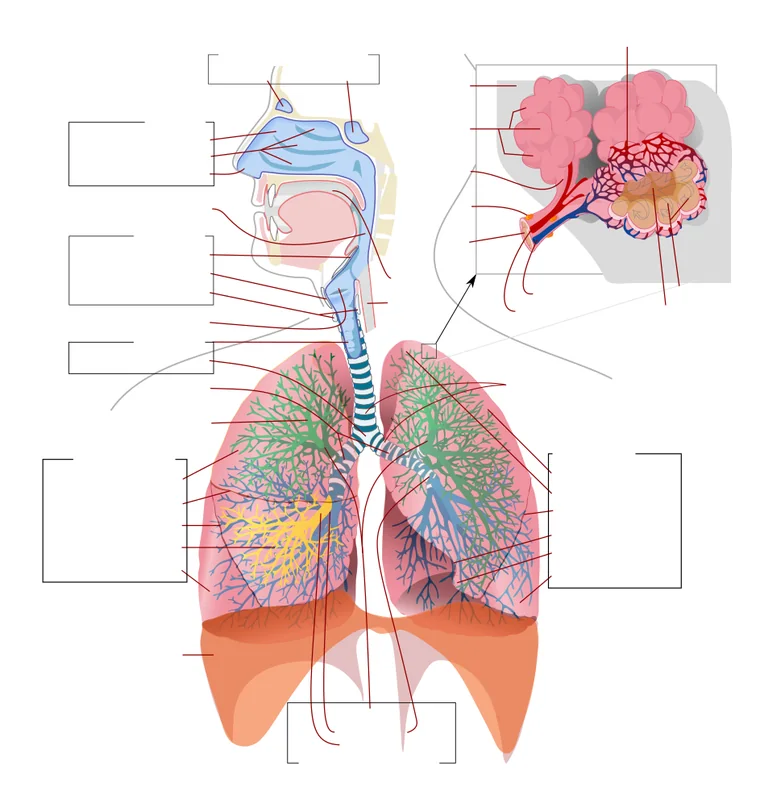
Because the dryness is really a breathing-route problem, it helps to see the plumbing: when the nose is blocked, air is forced through the mouth, past the soft tissues at the back of the throat — the same route that snoring and apnea travel.
What helps
- Treat the blocked nose first — allergy management, saline rinses, and getting a persistently blocked nose looked at address the root cause.
- Hydrate sensibly and go easy on late alcohol.
- Check your medications with a pharmacist if the dryness started with a new prescription.
- If snoring is in the mix, read whether mouth taping works and its safety caveats — never tape if you may have untreated apnea.
When to see a doctor
See someone if the dry mouth comes with loud snoring, witnessed breathing pauses, or daytime sleepiness (which point toward apnea); if you can never breathe through your nose; or if the dryness is constant day and night (which can signal a separate medical cause worth investigating).
Why it is worth chasing down, not just tolerating
It is tempting to file a dry morning mouth under minor annoyances and keep a glass of water by the bed. But it is worth taking a little more seriously for two reasons. First, chronic dryness has real dental consequences: saliva is your mouth's natural defence, and a mouth that dries out night after night is more prone to cavities, gum problems and bad breath. Second, and more importantly, a dry mouth is often the most noticeable end of a chain — mouth breathing, which points to a blocked nose or snoring, which can point to sleep apnea. Following the dryness back to its cause sometimes turns up something well worth treating. So rather than just managing the symptom, it is worth asking the next question: why was my mouth open all night — and is anything else going on while it was?
Where SleepTrace fits
Mouth breathing at night is audible. SleepTrace records your night on your iPhone and lays the sounds over your sleep stages, so you can actually hear whether you are snoring or breathing through your mouth, and how often — turning "why is my mouth always dry?" from a guess into something you can hear, and take further if it matters.
Frequently asked questions
Waking dry usually means you breathed through your mouth overnight — because of a blocked nose, snoring, or a partially open mouth in deep sleep. Less common causes are medications, dehydration, and mouth breathing linked to sleep apnea.
It can be a supporting sign. Mouth breathing and snoring go together with sleep apnea, and some people with apnea wake with a very dry mouth. If you also snore loudly, feel unrefreshed, or have pauses in breathing, mention it to a doctor.
Treat the nose so you breathe more through it: hydration, a humidifier in a dry room, and clearing congestion before bed help. If it persists with loud snoring or daytime tiredness, it is worth a medical check.
SleepTrace is a wellness app, not a medical device. This article is general information, not medical advice. If your symptoms are frequent, severe or worrying, please talk to a doctor.
Hear your own night. SleepTrace turns a night of audio into your sleep phases, the sounds you made, and how it all trends — no wearable, just the iPhone on your nightstand. Download on the App Store →