A headache most mornings can point to sleep apnea (repeated overnight oxygen dips), teeth grinding, poor or fragmented sleep, dehydration, or caffeine and medication patterns. Apnea is the most important cause to rule out, especially with snoring and daytime tiredness. Daily morning headaches are worth a doctor's visit.
Waking with a headache now and then is ordinary. Waking with one most mornings, that fades as the day goes on, is a pattern — and patterns have causes. The reassuring news is that morning headaches are usually driven by something identifiable and often fixable. The catch, as ever, is that the cause is doing its work while you are asleep.
Morning headache every day: the usual suspects
Sleep apnea
This is the one most worth ruling out. Repeated pauses in breathing cause the blood oxygen to dip and carbon dioxide to rise through the night; that, plus the constant micro-arousals, is a well-recognised recipe for a dull, pressing headache that is worst on waking and eases within an hour or two of getting up. The full range of headache types is covered in the Wikipedia article on headaches. Snoring, witnessed pauses and daytime tiredness are the tells.
Teeth grinding (bruxism)
Clenching and grinding overnight strains the jaw muscles and can radiate into a temple or forehead headache by morning. A sore jaw, worn teeth or a clicking joint point this way — more in teeth grinding in your sleep.
Poor or fragmented sleep, and the rest
Too little sleep, a lie-in that overshoots, dehydration, alcohol, caffeine timing (both too much and withdrawal), and certain medications all show up as morning headaches. High blood pressure occasionally does too.
The apnea connection, in a picture
Since apnea is the cause with the most at stake, it helps to see the mechanism. Through the night the upper airway relaxes and, in apnea, repeatedly narrows or closes. Each pause drops oxygen and forces an arousal — dozens or hundreds of times — and it is that repeated strain, not one dramatic event, that produces the morning head.
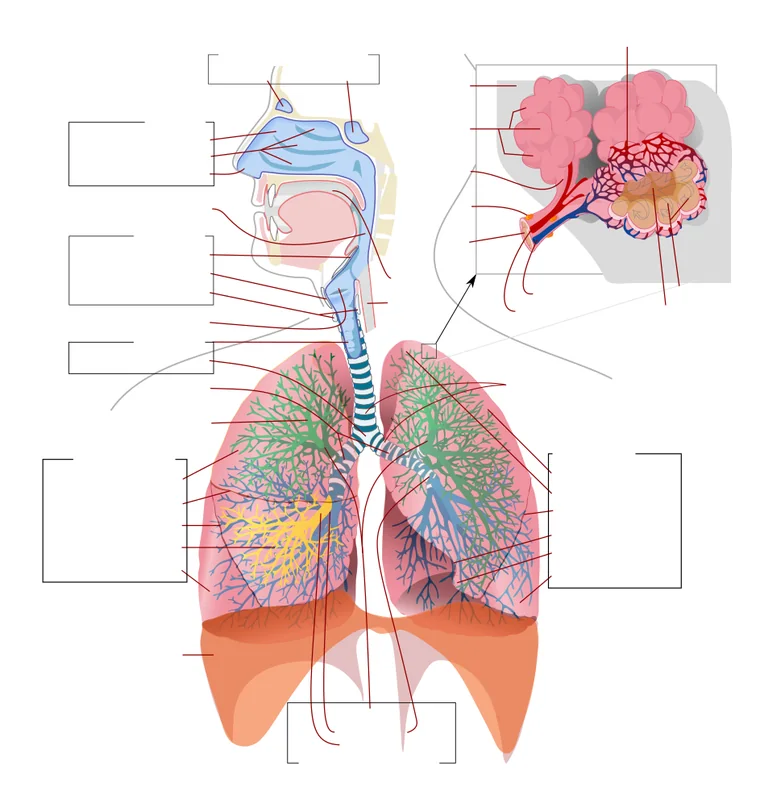
You can see why apnea is easy to miss: none of it wakes you properly, so you blame the headache on "sleeping badly" without knowing why the sleep was bad. A fragmented night leaves a distinctive fingerprint.
A daily morning headache is your body flagging the night. The useful move is to find out what the night was actually doing.
When to see a doctor
See a doctor if the headaches are daily or near-daily, if they come with snoring or witnessed breathing pauses and daytime sleepiness, or — importantly — if a morning headache is new, severe, steadily worsening, or comes with other neurological symptoms, which always warrants prompt assessment. There is a real cause worth finding.
How to start narrowing it down yourself
Because the causes are so different, a week of simple observation usually points you in the right direction before you ever see a doctor. Keep a brief note each morning: how bad the headache is, what time you went to bed and woke, whether you drank alcohol, how much caffeine you had and when, and any jaw soreness. Patterns tend to jump out. Headaches that track late-night drinking or a skipped morning coffee point one way; headaches paired with a sore jaw point toward grinding; headaches that come with snoring, a dry mouth and daytime exhaustion point toward breathing. If cutting the obvious culprits — late alcohol, erratic bedtimes, dehydration — clears it within a couple of weeks, you have your answer cheaply. If it persists despite all that, especially alongside snoring or tiredness, that is your cue to get the breathing side properly checked rather than reaching for another painkiller.
Why the morning is the clue
Headaches that strike in the morning and ease through the day are the giveaway that the trigger happened at night. By day, the headaches on this list behave like ordinary ones — the timing is what makes them special. The two sleep-related engines are worth naming: sleep apnea, where the repeated drops in oxygen overnight show up as a morning headache in a large share of people with the condition, and teeth grinding, where night-time jaw clenching produces a tension headache by sunrise. Bruxism and its dental signs are covered in teeth grinding in your sleep, and the airway side in sleep apnea without snoring.
Then come the ordinary suspects: too little sleep or too much, alcohol the night before, dehydration, and caffeine withdrawal if your morning coffee arrives late. The useful habit is to keep a small headache-and-sleep log for two weeks — headache mornings, bedtime, alcohol, caffeine — because the pattern usually picks a single cause out of the list faster than any app. If the daily morning headache persists while you work the levers, or comes with snoring, daytime sleepiness, or waking unrefreshed, that is the combination worth taking to a professional.
Where SleepTrace fits
SleepTrace maps your sleep stages from a night of audio on your iPhone and flags the snoring, pauses and grinding that so often sit behind a morning headache — no wearable needed. It cannot diagnose, but it can tell you whether your nights are quietly fragmented, and give you something concrete to bring to a doctor instead of "I just wake up with headaches."
Frequently asked questions
Yes. Morning headache is a well-documented symptom of obstructive sleep apnea — typically on both sides of the head, present on waking and fading within a couple of hours. Studies in sleep-clinic patients link it to apnea, and treating the apnea often reduces the headaches. If you also snore loudly or feel very sleepy in the day, mention it to a doctor.
References
- Spałka J, Kędzia K, Kuczyński W, et al. Morning headache as an obstructive sleep apnea-related symptom among sleep clinic patients. Medicina (Kaunas) (2020). Europe PMC
- Seo MY, Lee MK, Han MS, et al. Improvement of morning headache in adults with obstructive sleep apnea after positive airway pressure therapy. (2023). Europe PMC
SleepTrace is a wellness app, not a medical device. This article is general information, not medical advice. If your symptoms are frequent, severe or worrying, please talk to a doctor.
Hear your own night. SleepTrace turns a night of audio into your sleep phases, the sounds you made, and how it all trends — no wearable, just the iPhone on your nightstand. Download on the App Store →