Snoring happens when relaxed tissues at the back of the throat vibrate as you breathe in during sleep. Common contributors are a blocked nose, sleeping on your back, alcohol, extra weight, and the natural loss of muscle tone with age. Loud snoring with pauses or gasps can signal sleep apnea and is worth checking.
Almost everyone snores sometimes, and roughly half of adults do it regularly. It is so common that it is easy to dismiss as background noise — a bit of a nuisance, a running joke between partners. But snoring is worth understanding, both because a few simple things can reduce it and because, in some people, it is the audible edge of a genuine health problem.
It is worth knowing the scale of the overlap. An analysis in The Lancet Respiratory Medicine put the global figure at 936 million adults aged 30 to 69 with mild to severe obstructive sleep apnoea, 425 million of them moderate to severe. Snoring on its own is usually just snoring; it is the combination with pauses, gasping and daytime exhaustion that changes the picture.
What causes snoring: what snoring actually is
Snoring is a vibration. As you fall asleep, the muscles lining your throat relax. When you breathe in, air has to squeeze past this softened, slackened tissue, and if the passage is narrow enough, the tissue flutters and vibrates — the same way a reed vibrates in a woodwind. The physics of the vibration is described in the Wikipedia article on snoring. The narrower and floppier the airway, the louder and rougher the sound.
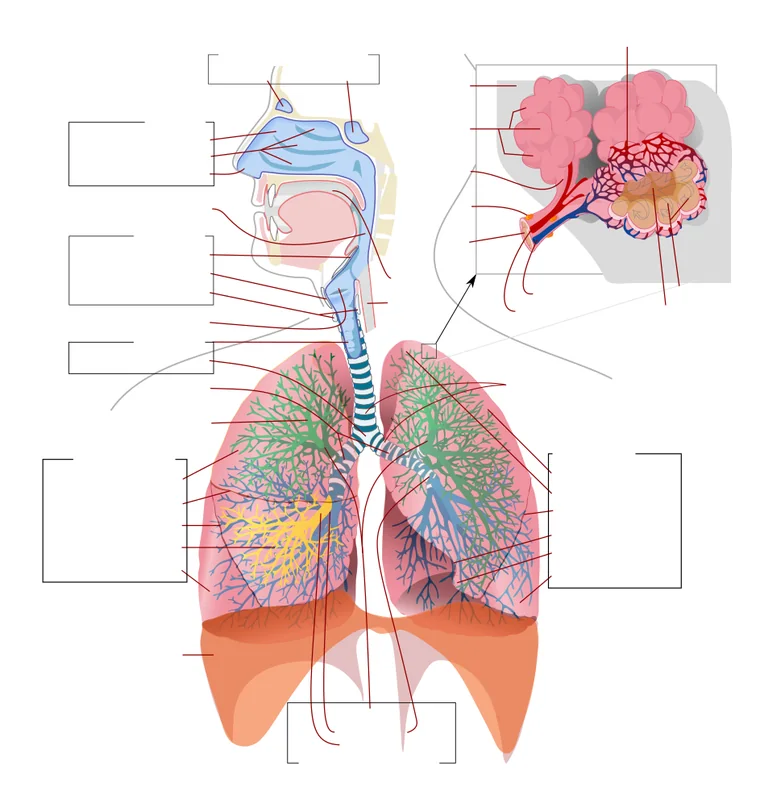
What makes it more likely
- A blocked nose. Congestion, allergies or a deviated septum force mouth breathing and change the airflow.
- Sleeping on your back. Gravity lets the tongue and soft palate fall backward and crowd the airway.
- Alcohol and sedatives. They relax the throat muscles even further.
- Extra weight around the neck narrows the airway.
- Age. Muscle tone in the throat naturally declines, so snoring often creeps in over the years.
The line between snoring and sleep apnea
This is the distinction that actually matters. Plain (primary) snoring is noisy but the airflow keeps going. In obstructive sleep apnea, the airway does not just vibrate — it briefly closes, breathing stops for seconds at a time, oxygen dips, and the body jolts awake to reopen it. The audible signature is different: loud snoring broken by silent pauses and ending in a gasp or snort, over and over.
What helps
For plain snoring, the levers are practical: clear a blocked nose, sleep on your side, cut evening alcohol, and address weight if it is a factor. Nasal strips and positional tricks help some people. If snoring is loud and comes with pauses, gasps or daytime tiredness, skip the gadgets and get screened — that is the apnea end of the spectrum.
When to see a doctor
See a doctor if your snoring is loud and habitual, if a partner has noticed pauses or gasping, or if you are sleepy through the day despite enough hours. Those are the signs that snoring has crossed into something worth treating.
Side-sleeping and the other quick wins
Because so much snoring is positional, the cheapest experiment is to stop sleeping on your back. On your back, gravity lets the tongue and soft palate fall toward the airway; on your side, they fall clear of it, and for a lot of people that alone drops the volume dramatically. The classic trick to stay off your back is the "tennis ball" method — something uncomfortable sewn or taped to the back of a sleep shirt so you naturally settle onto your side — and there are now purpose-made positional trainers that do the same job more elegantly. Clearing a blocked nose before bed (a saline rinse, treating allergies, or a nasal strip to hold the nostrils open) removes another common contributor, and skipping the nightcap keeps the throat muscles from over-relaxing. Try these before spending money on gadgets — and if loud snoring with pauses persists despite them, that is the signal to get screened rather than to keep experimenting.
Age and weight are the quiet drivers
Two factors deserve their own line because they are the most common "why now" answers. Age: the soft-tissue tone that holds the airway open thins and relaxes with the years, which is why people who never snored can start in their thirties and forties and why it steadily gets louder with decades. Weight: extra tissue around the neck and throat narrows the tube, and weight gain is one of the most reliably reported triggers for new or louder snoring. Neither is a moral judgement — both are physics.
The useful part is that both also mean the levers shift over time. In a younger, lean person who started snoring recently, the first suspects are sleep position, alcohol, allergies, or a blocked nose. In someone whose snoring has grown louder over the years alongside weight or age, the airway-narrowing mechanics matter more — and the line between "snoring that is a trait" and "snoring that is a clue" is where the decisions get made. A few side-sleeping nights and an alcohol-free week are a cheap before-and-after test of how much is position and habit versus how much is anatomy.
Where SleepTrace fits
SleepTrace records the sound of your night on your iPhone and maps it to your sleep stages, so you can see how much you snore, how loud it gets, and — most importantly — whether it comes with the pauses and gasps that separate harmless snoring from sleep apnea. It is the difference between "I snore, apparently" and knowing exactly what your airway is doing.
Frequently asked questions
Snoring is the vibration of relaxed tissues at the back of the throat as you breathe in during sleep. Anything that narrows the airway — sleeping on your back, alcohol before bed, a blocked nose, or excess weight — makes it more likely and louder.
No. Most snorers do not have apnea, but loud, frequent snoring with gasping, pauses in breathing, or daytime tiredness is the classic pattern of obstructive sleep apnea and should be checked.
Often it can be reduced. Side-sleeping, cutting alcohol in the evening, treating a blocked nose, and managing weight are the highest-yield changes. If it persists with daytime symptoms, a sleep study is the reliable next step.
References
- Benjafield AV, Ayas NT, Eastwood PR, et al. Estimation of the global prevalence and burden of obstructive sleep apnoea: a literature-based analysis. Lancet Respir Med (2019). Europe PMC
SleepTrace is a wellness app, not a medical device. This article is general information, not medical advice. If your symptoms are frequent, severe or worrying, please talk to a doctor.
Hear your own night. SleepTrace turns a night of audio into your sleep phases, the sounds you made, and how it all trends — no wearable, just the iPhone on your nightstand. Download on the App Store →