Mouth taping aims to encourage nose breathing and reduce snoring, and some people find it helps mild cases — but the evidence is limited and it can be unsafe if you have untreated sleep apnea or a blocked nose. Treat the cause of mouth breathing first, and talk to a doctor before taping if you snore heavily or feel tired by day.
Mouth taping — literally putting a strip of tape over your lips at night to force nose breathing — has gone from fringe biohack to mainstream trend, with enthusiastic claims about deeper sleep, less snoring and even a better jawline. Some of it has a kernel of sense; some of it is hype; and one part of it is a genuine safety issue that the viral videos rarely mention. Here is the honest version.
Does mouth taping work: the idea behind it
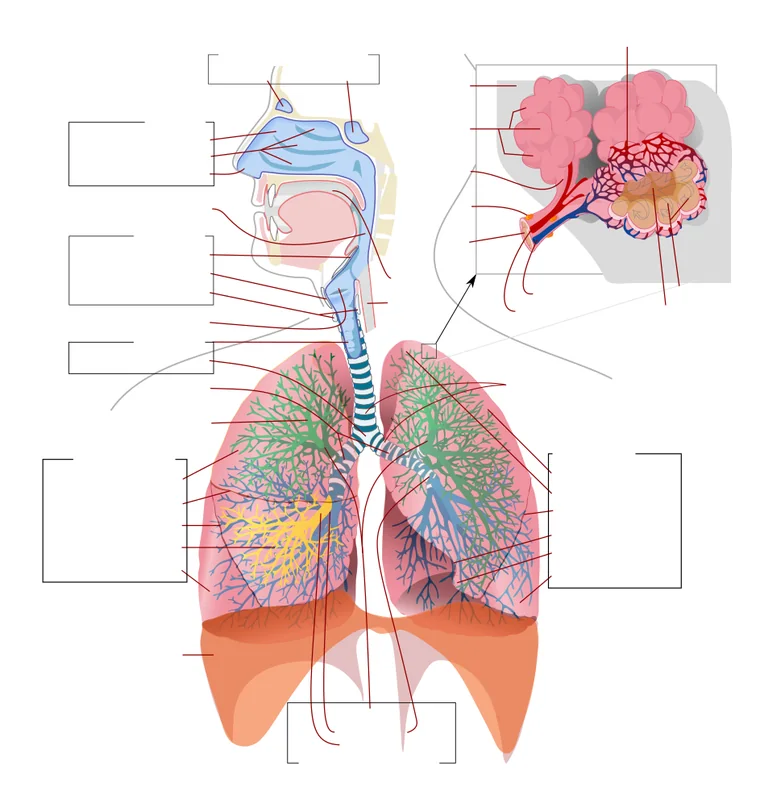
Nose breathing really is the healthier default — the nose filters, warms and humidifies air, and breathing through it overnight avoids the dry mouth and some of the snoring that mouth breathing causes. The trend and its proposed mechanism are described in the Wikipedia article on mouth taping. The logic of mouth taping is simply to stop your mouth falling open so you are nudged to breathe through your nose. For people whose only issue is a habit of mouth breathing with an otherwise clear nose, some do report less snoring and a less parched morning.
What the evidence actually says
Cautiously positive at best, and thin. The research is limited and mostly small; reviews conclude that mouth taping may modestly help a specific, mild subgroup, but that the evidence is far from strong enough to sell it as a general fix. It is not a treatment for sleep apnea, and it will not remodel an adult face.
The safety catch that matters most
This is the part to take seriously: if you have untreated sleep apnea, sealing your mouth shut can be genuinely risky — the mouth can be a backup airway when the nose and throat are obstructed, and taping it removes that fallback. Taping is also a bad idea with a blocked nose, a cold, after alcohol, or if you are prone to nausea. The people most tempted to try it for loud snoring are sometimes exactly the people who should be screened for apnea first, not taping over the warning sign.
When to see a doctor
Before taping, see a doctor if you snore heavily, if a partner has noticed pauses or gasping, or if you are tired through the day — those need ruling out for apnea first. Treating the reason your mouth falls open (usually a blocked nose) is a better path than sealing it shut.
Safer things to try first
If the goal is nose breathing and quieter nights, there is a whole ladder of lower-risk steps to climb before you reach for tape. Start with the nose itself: a saline rinse before bed, treating allergies, and a proper look at persistent congestion often fix the root cause of mouth breathing outright. Nasal strips or an internal nasal dilator physically hold the nostrils open and carry none of the "sealed mouth" risk. Side-sleeping helps both snoring and mouth breathing. Cutting the evening drink keeps the throat muscles from over-relaxing. Each of these addresses why your mouth falls open rather than forcing it shut, which is both safer and more likely to last. Reserve any consideration of taping for after you have ruled out apnea with a doctor and tried the gentler options — and even then, go in clear-eyed that the evidence is modest and the safety caveats are real.
Who should definitely not tape
Before weighing the evidence at all, the safety line comes first. If you snore heavily, wake unrefreshed, gasp at night, or have any reason to suspect sleep apnea, mouth taping is off the table — forcing the mouth shut does not fix an airway that is collapsing, and in theory it can turn a partially obstructed night into a more dangerous one. That is not speculation about an edge case; loud snoring and daytime sleepiness are common, and the responsible version of "try taping" always begins with "rule apnea out first."
The same caution colours the safer alternatives below. Side-sleeping, nailing nasal breathing with a blocked nose treated, and a dry mouth addressed with humidity rather than tape all reduce the reasons people reach for tape in the first place. If the goal is a closed mouth, a dentist or doctor can weigh whether the added step is worth it for you — and the honest answer for many people is that taping was solving a symptom, not the underlying habit. The matter is covered in depth in what actually causes snoring and how far it is worth chasing.
Where SleepTrace fits
The responsible first step before any snoring hack is knowing what your airway is actually doing. SleepTrace records your night on your iPhone and shows whether you snore, how loudly, and whether pauses and gasps are present — the difference between "a harmless mouth-breathing habit" and "a sign of apnea I should not be taping over." Check first, then decide.
Frequently asked questions
For some healthy people it may be low-risk, but it is genuinely unsafe if you have undiagnosed sleep apnea or significant nasal congestion, because it can block an airway your body relies on. Reviews of the evidence urge caution and note the safety concerns outweigh the modest, poorly-proven benefits. If you snore heavily or wake gasping, see a doctor before taping anything.
References
- Rhee J, Iansavitchene A, Mannala S, et al. Breaking social media fads and uncovering the safety and efficacy of mouth taping: a systematic review. (2025). Europe PMC
SleepTrace is a wellness app, not a medical device. This article is general information, not medical advice. If your symptoms are frequent, severe or worrying, please talk to a doctor.
Hear your own night. SleepTrace turns a night of audio into your sleep phases, the sounds you made, and how it all trends — no wearable, just the iPhone on your nightstand. Download on the App Store →