You wake suddenly, heart hammering, not sure why. It is frightening, and almost always explainable — the trick is finding the trigger you slept through.
8 min read · General wellness information, not a medical diagnosis · Auf Deutsch lesen →
The short answer
Waking with a pounding heart is usually a benign adrenaline surge — most often a night-time anxiety or panic arousal, a brief breathing pause (sleep apnea), acid reflux, or alcohol wearing off. Snoring right before the jolt points toward apnea; a silent build of dread points toward anxiety. Get it checked promptly if it comes with chest pain, breathlessness, fainting or an irregular pulse.
Waking with your heart pounding is a jolt of pure adrenaline — you are awake, wired and a little frightened before you even know what woke you. It is a common experience, and reassuringly it almost always has a specific, findable trigger. The catch is a familiar one for anything that happens in sleep: the trigger fired while you were unconscious, so you are left holding the racing heart with no memory of what set it off. That gap is where the anxiety grows, and it is exactly the gap worth closing.
Waking up with heart racing: the usual causes
A night-time anxiety or panic arousal. The formal term for a racing heartbeat is covered in the Wikipedia article on heart palpitations. The most common cause by far. A surge of adrenaline wakes you with a hammering heart, sometimes a wave of dread, and it takes a few minutes to ebb. It happens even to people who would not call themselves anxious by day — the body's alarm system simply misfires in the dark.
A pause in breathing (sleep apnea). When the airway briefly narrows or closes, oxygen dips and the body fires a stress response to force it back open — often surfacing you with a pounding heart and a gasp. The tells are snoring beforehand and daytime tiredness. This is the cause most worth ruling out, because it is treatable and it matters.
Acid reflux. Acid creeping up to the throat while you lie flat can trigger a startled, racing-heart waking, usually alongside a sour taste or a burning chest.
Alcohol, caffeine or a late heavy meal. Alcohol is the notorious one: it knocks you out, then jolts you awake a few hours later with a fast heartbeat as it wears off and the body rebounds.
Blood-sugar dips, fever, an over-warm room and some medications round out the list.
To see why the timing of the wake-up is such a useful clue, it helps to remember that the two big physiological causes — apnea and a panic arousal — leave different fingerprints on the night.
Snoring right before the wake points toward breathing; a silent build of dread points toward anxiety; a wake as alcohol wears off points elsewhere again.
The apnea mechanism, briefly
Because a breathing pause is the cause most worth ruling out, it helps to picture what is happening. During sleep every muscle relaxes, including the ones holding your upper airway open. In some people that airway narrows or briefly collapses; airflow stops, oxygen falls, and the brain — sensing the drop — floods the body with adrenaline to yank the airway back open. You surface with a gasp and a galloping heart, often with no memory of the pause that caused it.
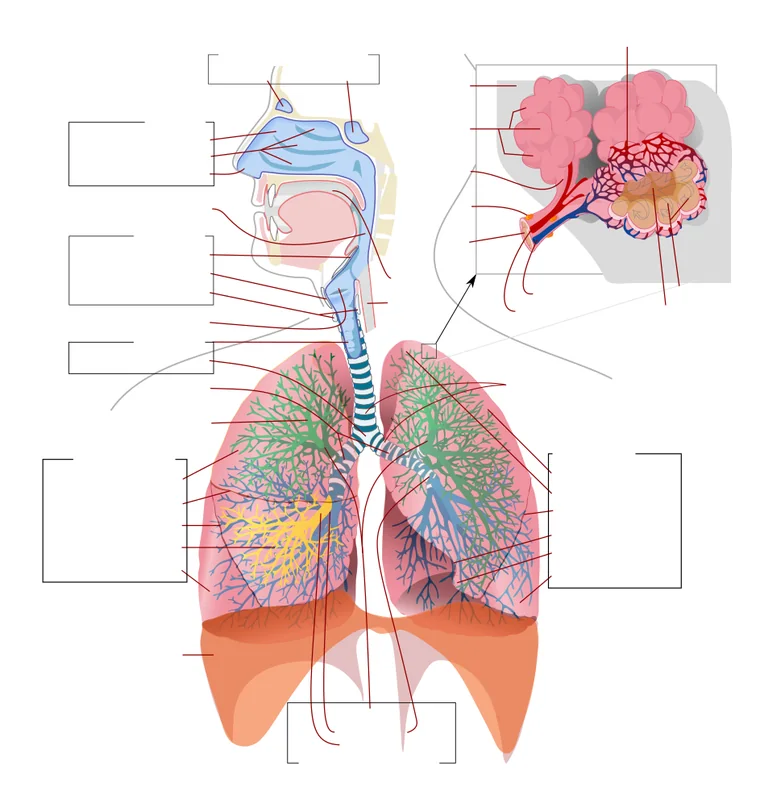
During sleep the upper airway can narrow or briefly close. The oxygen dip triggers an adrenaline surge to reopen it — which is why an apnea event can wake you with a pounding heart and a gasp. LadyofHats, Jmarchn · Public domain · Wikimedia Commons
How to tell which is yours
Two questions narrow it quickly:
Were you snoring right before it? A repeated snore-then-jolt pattern across the night leans toward a breathing pause worth screening for.
Did it follow alcohol or a big late meal? A racing-heart wake a few hours after drinking is classic, and it usually settles once you move alcohol out of the evening.
Clues cluster differently for each cause. Rough guide, not medical certainty.
The honest problem is that you were asleep for the part that matters. "I woke at 3 with my heart pounding" is common and not very useful; "it happened right after a stretch of loud snoring, three separate times" is the kind of detail that actually helps a doctor.
If breathing pauses are the cause, the night often looks like this — repeatedly broken by arousals. Each reopening of the airway can surface you with a pounding heart.
When to see a doctor
Please get it checked promptly if the pounding comes with chest pain, breathlessness that does not ease, fainting, or a genuinely irregular pulse — those need ruling out for a heart-rhythm problem. Also see a doctor if it is frequent, if a partner has watched you stop breathing, or if daytime tiredness is heavy. An occasional wake-up after a late night out is a different story from a pattern that repeats week after week.
Where SleepTrace fits
SleepTrace records the sounds of your night on your iPhone and pins them to your sleep stages, so you can scroll back to a 3 a.m. jolt and hear the minute before it — snoring and a gasp, or plain silence. It cannot measure your heart rate, but it can tell you whether breathing was the likely trigger, which is often the single most useful thing to bring to a doctor.
Frequently asked questions
The most common cause is a night-time anxiety or panic arousal — a surge of adrenaline that wakes you with a pounding heart. Other frequent triggers are a brief breathing pause (sleep apnea), acid reflux, and alcohol or caffeine wearing off. Snoring right before the wake points more toward apnea.
Usually it is a benign adrenaline surge. But get it checked promptly if it comes with chest pain, ongoing breathlessness, fainting or an irregular pulse, or if it is frequent and paired with snoring and daytime tiredness — those can point to a heart-rhythm issue or sleep apnea worth treating.
SleepTrace is a wellness app, not a medical device. This article is general information, not medical advice. If your symptoms are frequent, severe or worrying, please talk to a doctor.
Hear your own night. SleepTrace turns a night of audio into your sleep phases, the sounds you made, and how it all trends — no wearable, just the iPhone on your nightstand. Download on the App Store →