For sleep, the Oura Ring and Apple Watch both estimate stages from movement and heart rate — good at sleep-versus-wake, less precise on exact stages. Oura is comfier for bed with longer battery; the Watch does more by day. Neither hears your night, so a phone that records audio catches the snoring and pauses they miss.
If you are choosing between an Oura Ring and an Apple Watch mainly to understand your sleep, it is worth stepping back before you spend the money — because for the sleep question specifically, the two are more alike than their marketing suggests, and both share the same blind spot. Here is how they actually compare, and where a third option quietly does the one thing neither can.
Oura Ring vs Apple Watch sleep tracking: how each works
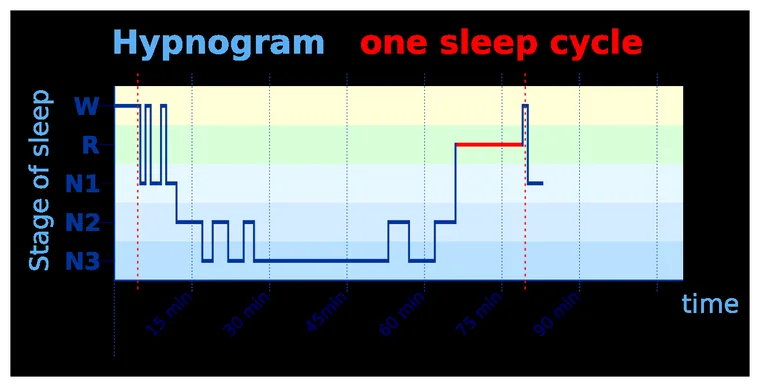
Both devices estimate your sleep the same fundamental way: they combine movement with heart rate and heart-rate variability to guess when you are asleep and which stage you are in. Both are part of the broader device category described in the Wikipedia article on wearable technology. Both are genuinely good at telling asleep from awake, and both are only roughly accurate at pinning down exact stages — that is a limitation of wrist-and-finger sensing in general, not a flaw unique to either.
Which to pick — for sleep
If your priority is night-time comfort, long battery and a clean recovery/readiness picture, the ring tends to win. If you want one device that also does workouts, notifications and daytime health, the Watch makes more sense. But notice the framing: you are choosing between two devices that estimate sleep from body signals — and neither of them hears your night.
The blind spot they share
Here is the thing that rarely makes the comparison tables: neither an Oura Ring nor an Apple Watch can hear your night. Snoring, the pause-and-gasp of a breathing event, sleep talking, teeth grinding — the sounds that reveal what is actually disturbing your sleep — are invisible to both. If your real question is "why do I wake up tired?", the answer is often in a sound they cannot detect.
If you already own one of them
Plenty of people asking this question already have a Watch or a ring and are wondering whether to switch. Usually the honest answer is: do not bother switching for sleep alone. The gap between the two on sleep-stage accuracy is smaller than the marketing implies, and neither will suddenly explain a tired morning, because both share the same blind spot — they do not hear your night. If you are happy with the device you own, keep it for what it does well (all-day metrics on the Watch, comfortable recovery tracking on the ring) and add the missing layer rather than replacing the whole thing. The thing most people are actually chasing when they compare sleep trackers is an answer to "why do I wake up tired?", and that answer usually lives in a sound — snoring, a pause, a gasp — that no wrist or finger sensor is built to catch.
The battery, the fit and the tiny print
Beyond accuracy, the day-to-day choice is often decided by three details that have nothing to do with sensors. Battery life: the ring runs for roughly a week between charges and hides the charger on a nightstand; the Watch needs a charge roughly every day, which means it is often on its charger while you sleep unless you plan around it. Comfort: the ring is effectively forgettable once worn, while a wrist device with a band can press against the wrist in side-sleeping and is something people do take off at night. And commitment: the ring is a subscription device on every plan worth having, while the Watch has no ongoing fee beyond itself.
None of these decides who is "better at sleep tracking" — the sensors differ only modestly, and both are good enough for home use. What decides the real-world result is which one you will actually wear to bed, every night, without thinking. A tracker on the nightstand is worth exactly nothing, so weigh the battery and comfort honestly against the accuracy you are imagining you need.
Where SleepTrace fits
You do not have to choose the audio layer instead of a wearable — but if that is what you actually care about, SleepTrace delivers it without a device on your body at all. It records your night on your iPhone and maps the sounds to your sleep stages, catching the snoring and pauses a ring or watch cannot. Pair it with either, or use it on its own; for understanding what disturbs your nights, hearing them is the missing piece.
Frequently asked questions
For sleep, the two are close: both estimate stages from movement and heart rate and are good at sleep-versus-wake but weaker at precise stage accuracy. The bigger difference is comfort and battery — the ring is easier to sleep in and charges less often.
Neither hears anything. They measure movement and heart rate, so they miss the acoustic signals — snoring, gasping, sleep talking — that matter for many sleep problems. That is why a phone with a microphone adds real information.
Probably not for sleep alone. You can get the acoustic layer by adding a phone-based recording next to the watch, which covers what the watch cannot hear, without buying a second device.
References
- Robbins R, Weaver MD, Sullivan JP, et al. Accuracy of three commercial wearable devices for sleep tracking in healthy adults. Sensors (Basel) (2024). Europe PMC
SleepTrace is a wellness app, not a medical device. This article is general information, not medical advice. If your symptoms are frequent, severe or worrying, please talk to a doctor.
Hear your own night. SleepTrace turns a night of audio into your sleep phases, the sounds you made, and how it all trends — no wearable, just the iPhone on your nightstand. Download on the App Store →