Delayed sleep phase disorder is a body clock that runs several hours later than the social day — you can't fall asleep until 2am and struggle to wake before noon, no matter how hard you try. It is a real circadian rhythm disorder, not laziness or poor sleep hygiene, and it is especially common in teenagers. The treatment that works is bright morning light plus a gradual shift of the bedtime earlier — not just 'going to bed earlier,' which fails because the body clock isn't ready.
You have tried going to bed earlier a hundred times, and it never sticks. At midnight you are wide awake; at 9am you are a zombie. The diagnosis people jump to is "poor discipline" or "bad sleep hygiene" — but there is a real, well-documented explanation: your body clock simply runs later than the clock on the wall. That is delayed sleep phase disorder. The background is in the Wikipedia article on delayed sleep phase disorder.
Delayed sleep phase disorder: what it is
Your circadian rhythm — the internal clock that decides when you feel sleepy and when you wake — normally runs on about a 24-hour cycle synced to daylight. In delayed sleep phase disorder, that clock runs several hours later, so your natural bedtime lands at 2am and your natural wake-up at 10am or later. The sleep itself is normal and healthy — it is just shifted. It is especially common in teenagers and young adults, whose clocks naturally drift later.
Why it is so common in teenagers (and hard on them)
The teenage body clock genuinely runs later than an adult's. Around puberty, the natural melatonin release — the hormone that signals "it is time to sleep" — shifts a few hours later in adolescents, which is why a 16-year-old who is tired at midnight is not being rebellious; the brain is running on a different clock. When that late clock collides with a 7am school start, the result is a chronically sleep-deprived teenager doing schoolwork on an adult schedule. Reviews of the condition in adolescents stress that treatment has to meet the clock where it is: morning bright light, evening dim light, and a gradual schedule shift — not a lecture about discipline.
Night owl by preference, or a disorder?
Many people simply favor later hours and can still function — that is a chronotype, a natural preference, not a disorder. The line is crossed when a late clock can no longer hold a job, school schedule, or family life without chronic exhaustion, and when earlier bedtimes reliably fail despite effort. A useful self-check: if you sleep well and wake naturally on a free day at, say, 10am — and the problem is only that society starts earlier — you are likely a late chronotype in an early world. The disorder label is reserved for when the lateness is severe (bedtime past about 2am, waking after 10am) and it significantly disrupts your life.
Why "just go to bed earlier" doesn't work
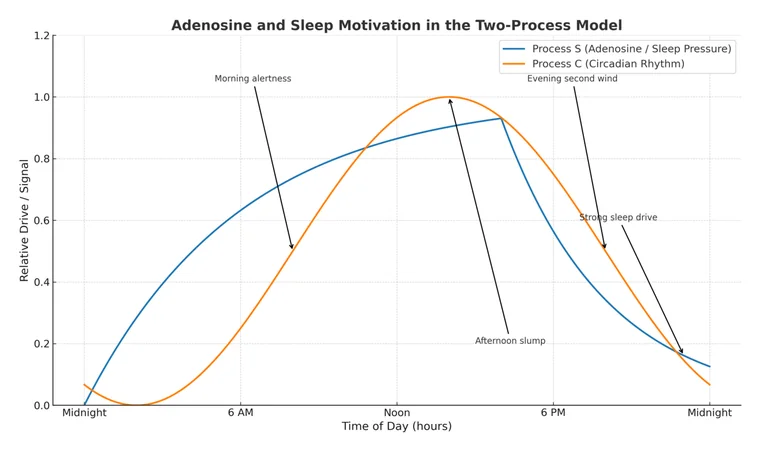
The key insight: when you go to bed at 10pm but your body clock is set for 2am, you are not sleepy yet — so you lie awake, and the frustration makes it worse. This is not a sleep hygiene problem; it is a clock problem. That is why the standard advice fails, and why the treatment is about shifting the clock itself, not forcing an earlier bedtime. The mechanics are the same as social jet lag, but more persistent.
What actually helps
- Bright light in the morning. Light is the strongest signal to move the clock earlier. Ten to twenty minutes of daylight (or a light-therapy lamp) within an hour of waking is the core treatment.
- Gradually shift the bedtime earlier — 15–30 minutes every few days — rather than jumping. The method is in how to fix a broken sleep schedule.
- Dim light and no screens in the evening. Evening light pushes the clock even later.
- See a sleep specialist if it severely disrupts work or school — melatonin timing and light therapy can be prescribed precisely.
The bottom line
Delayed sleep phase disorder is a body clock that runs late — not laziness, not a failure of willpower. The fix is to shift the clock with morning light and gradual bedtimes, not to fight it with an earlier bedtime your body isn't ready for. If you have spent years labeled a "night owl" and struggling to fit the morning world, it is worth knowing there is a name — and a treatment — for what you have been dealing with.
Where SleepTrace fits
Your body clock's drift is visible in your sleep data — the bedtime creeping later, the wake time following, night after night. SleepTrace trends your sleep across weeks, so you can see whether the clock is stable, drifting, or responding to light therapy and gradual shifts. That turns "I can't get up in the morning" into a measurable pattern you can actually change.
Frequently asked questions
A circadian rhythm disorder where your body clock runs several hours late — you can't fall asleep until the early morning and struggle to wake before late morning, even though the sleep itself is normal.
Only if it causes real problems in your life. A natural late preference is common; it becomes delayed sleep phase disorder when the shift is severe and disrupts work or school.
Bright morning light, gradually shifting the bedtime earlier, and dim light in the evening — with a sleep specialist able to add timed melatonin or light therapy for severe cases.
Around puberty the body's melatonin release shifts a few hours later, so a teenager's natural bedtime genuinely moves later. Combined with early school start times, this is a leading cause of teen sleep deprivation.
If you sleep well and wake naturally on free days but only struggle with society's early start, you are likely a late chronotype. The disorder label applies when the lateness is severe and significantly disrupts your life.
References
- Narala B, Ahsan M, Ednick M, Kier C. Delayed sleep wake phase disorder in adolescents: an updated review. Sleep Adv (2023). Europe PMC
- Li SX, Cheung FTW, Chan NY, Chan JW. Effects of cognitive behavioural therapy and bright light therapy for insomnia in youths with eveningness. Sleep (2023). Europe PMC
SleepTrace is a wellness app, not a medical device. This article is general information, not medical advice. If your symptoms are frequent, severe or worrying, please talk to a doctor.
Hear your own night. SleepTrace turns a night of audio into your sleep phases, the sounds you made, and how it all trends — no wearable, just the iPhone on your nightstand. Download on the App Store →