To fix a sleep schedule, the highest-leverage move is a fixed wake time: get up at the same time every day, even after a bad night, and let daytime light plus activity rebuild the pressure to sleep at the right hour. Shift a badly off-schedule bedtime gradually (about 15–30 minutes every couple of days) rather than cold-turkey, use bright morning light, and avoid the two big saboteurs: sleeping in on weekends and caffeine after mid-afternoon. Most people see the rhythm correct within a week or two; if it keeps sliding, that is worth talking to a doctor about.
There is a specific misery to a broken sleep schedule: it feels less like a habit than a curse. You are awake at 3am, exhausted by noon, wired again by midnight — and the harder you try to fix it, the more it resists. The good news is that a sleep schedule is a learned rhythm, and learned rhythms can be reset. It does not require willpower gymnastics or sleeping tablets; it requires understanding the two forces that set your sleep timing and using them deliberately. This guide gives you the method in order.
How to fix a sleep schedule: start with the wake anchor
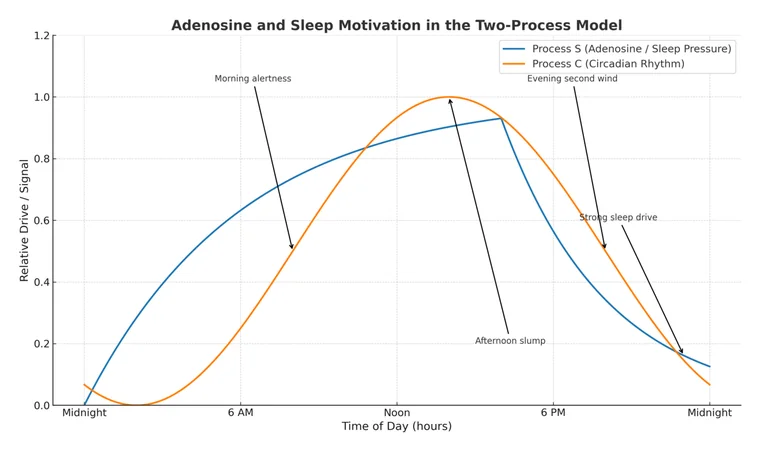
The single highest-leverage move is not fixing your bedtime — it is fixing your wake time. Your body clock is anchored far more by the morning wake signal than by the evening fall-asleep moment. When you wake at the same time every day, your brain starts counting sleep pressure from that point, and sleepiness reliably arrives roughly 15–17 hours later. A fixed wake time, every day including weekends, is the foundation of the whole reset. The mechanics of why this works sit in your circadian system, the same 24-hour cycle described in what jet lag does to your body clock.
This is also where most attempts fail: people fix the bedtime but sleep in on weekends, which resets the anchor every week. The wake time is the anchor, and the anchor has to hold seven days a week. The underlying system — how the body's internal clock runs on roughly a 24-hour cycle — is covered in the Wikipedia article on circadian rhythm.
Shift gradually, not cold-turkey
If your schedule is badly shifted — you are falling asleep at 3am and waking at 11am — do not try to move everything at once. Your body clock can shift by roughly 1–2 hours per day at most, and forcing a bigger jump just bounces back. The reliable method: move your bedtime earlier by 15–30 minutes every couple of days, while holding the wake time steady. Over one to two weeks, a three-hour shift settles in without the all-nighter chaos. The pull-an-all-nighter approach that people try is the wrong tool: it resets one night but leaves you fragile and tends to rebound into the same pattern within days.
Use daylight as the reset switch
Bright light in the morning is the strongest signal your body clock can read. Ten to twenty minutes of daylight (ideally within an hour of waking) tells your brain the day has started and starts the countdown to sleepiness. This is the same mechanism that jet lag recovery uses. In the evening, do the opposite: dim light and no screens an hour before your target bedtime, so the 'night' signal is not overridden.
The two saboteurs to remove first
- Sleeping in on weekends. This single habit undoes every weekday's reset. One weekend of two extra hours can push your clock as far back as two bad weekdays advanced it.
- Caffeine after mid-afternoon. A 4pm coffee has a meaningful amount left at midnight. It does not just delay sleep — it weakens the sleep pressure signal that the schedule depends on.
Both are covered in the broader set of sleep hygiene habits; in the context of a reset, they are not optional extras but the load-bearing walls.
If you work shifts, the anchor changes
Shift workers cannot hold a fixed wake time in the normal sense, and the advice above needs adapting. The principle that survives is a fixed anchor: a consistent daily low point — usually a regular wake time on off-days or a consistent bedtime — around which the rest of the schedule pivots. Bright light management matters even more, and the evening-into-day shift is handled like a gradual time-zone change, a few hours at a time. The honest reality is that shift work chronically fights the body clock; the goal is damage control through anchors and light, not a perfect 9pm bedtime.
The honest timeline
With the wake anchor held, gradual bedtime shifts, and morning light, most people see their schedule correct within one to two weeks — the first few days feel forced, then it clicks. A very late-shifted rhythm can take three weeks. Two honest flags: if your schedule keeps sliding despite the method, or if you cannot stay asleep even on a correct schedule, that is worth a conversation with a doctor — it can point to a circadian rhythm disorder or something else. The reset works for a broken habit; it does not fix an underlying condition.
Where SleepTrace fits
The frustrating part of fixing a schedule is that you cannot feel your own sleep architecture shifting — only whether you feel tired or not, which drifts. SleepTrace records your night on your iPhone and shows your sleep stages and wake times across nights, so you can see the reset happening in the data: the bedtime creeping earlier, the wake time steadying, the deep sleep returning to the early part of the night. It turns "I think the schedule is fixing" into a chart you can trust.
Frequently asked questions
Most people correct a shifted schedule within one to two weeks by holding a fixed wake time, shifting bedtime gradually, and using morning light. A badly late-shifted rhythm can take up to three weeks.
The fastest reliable way is to fix your wake time (not bedtime): get up at the same time daily, get bright morning light, and move your bedtime earlier in 15–30 minute steps every couple of days. The all-nighter method resets one night but tends to rebound.
The usual culprit is sleeping in on weekends, which resets the clock every week, plus caffeine after mid-afternoon. If the schedule keeps sliding despite consistent habits, it is worth a doctor's check for a circadian rhythm issue.
SleepTrace is a wellness app, not a medical device. This article is general information, not medical advice. If your symptoms are frequent, severe or worrying, please talk to a doctor.
Hear your own night. SleepTrace turns a night of audio into your sleep phases, the sounds you made, and how it all trends — no wearable, just the iPhone on your nightstand. Download on the App Store →