Best sleeping position for good sleep: side, back or stomach
There is no single best position for everyone — but there is one that is best for your specific nights. Here is what each position does, and how to choose.
7 min read · General wellness information, not a medical diagnosis · Auf Deutsch lesen →
The short answer
For most people, side sleeping is the best all-round sleeping position: it keeps the airway open (reducing snoring and apnea risk), protects the spine's natural curve, and works for most kinds of back pain. Back sleeping is a good runner-up for those who don't snore; stomach sleeping is the worst for neck and back. If you have reflux, left-side sleeping helps; in pregnancy, left-side is recommended. The best position is the one you can maintain comfortably and wake up refreshed in — which is why trying one for a few nights beats agonising over the 'perfect' one.
Ask five people for the best sleeping position and you will get five confident, contradictory answers. The reason is that "best" depends on the person: the right position for a snorer is the wrong one for someone with reflux, and a position that feels great in theory is useless if you can't stay in it. What is genuinely knowable is what each position does to your body — and from that, you can pick the one that fits your specific nights. Here is the honest map.
Best sleeping position for good sleep: what each does
The clinical background on how position interacts with sleep and breathing is outlined in the Wikipedia article on sleeping positions. With that context, here is what each position actually does:
Side sleeping is the best all-round choice for most people. It keeps the airway open (which reduces snoring and apnea risk), keeps the spine in a neutral line, and is the position most consistent with deep, undisturbed sleep. It is also the recommended position in pregnancy. The main caveat: a too-thin pillow can let your neck angle down, so side sleepers need enough pillow height to keep the head level.
Back sleeping is excellent for keeping the spine neutral and for people who don't snore. Its catch: in many people it lets the tongue and soft palate fall back, which narrows the airway — this is why back sleeping is the position most linked to snoring and to worsening apnea. For a snorer, it is usually the position to avoid.
Stomach sleeping is the worst for neck and back: it forces the head to rotate for the whole night and arches the lower back. If it is your habit and you have morning neck pain, it is the first thing to try changing.
Side sleeping clears the most common problems at once. Back sleeping suits non-snorers; stomach sleeping is the position most likely to cause morning pain.
How to choose your position by your situation
You snore, or a partner says you do: side sleeping is the first-line change — positional snoring often clears entirely with it. See what actually stops snoring.
You have sleep apnea: side sleeping reduces the airway collapse that drives it, though it is not a treatment — the bigger question is covered in why sleep apnea matters.
You have acid reflux or heartburn at night: left-side sleeping is the researched preference — it puts the stomach below the esophagus, which reduces reflux. Right-side sleeping can make it worse.
You are pregnant: left-side sleeping is recommended, especially later in pregnancy, because it improves blood flow. The broader pregnancy-sleep picture is in snoring during pregnancy.
You have back or neck pain: side with a knee pillow, or back with a pillow under the knees, both keep the spine aligned — the mechanics of pain and sleep are in heat or cold for neck pain.
You sleep on your stomach and wake fine: honestly, if it works for you and you have no pain, you do not need to change.
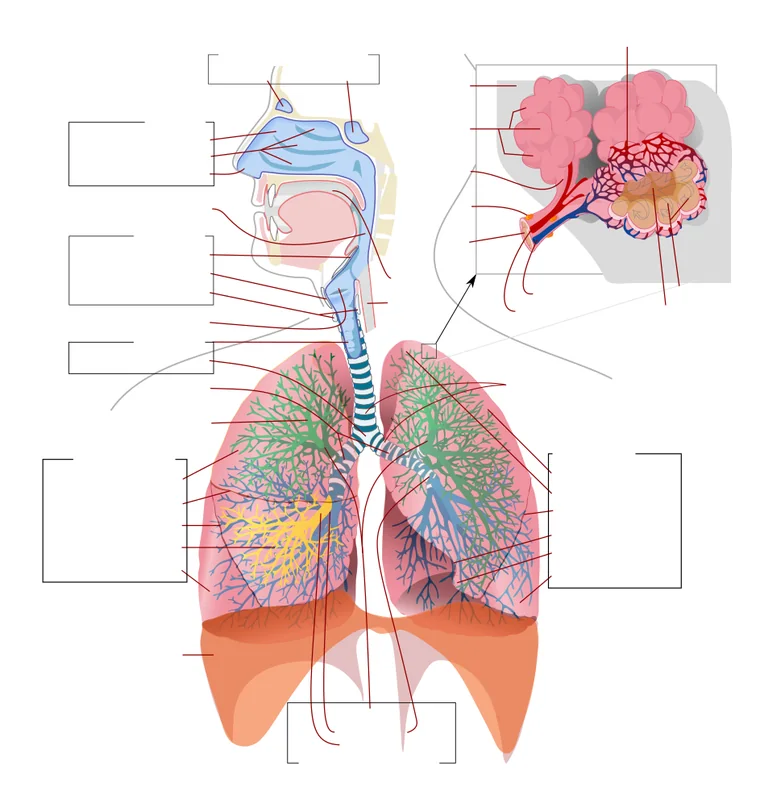
Side sleeping keeps the airway open; on your back it narrows. LadyofHats, Jmarchn · Public domain · Wikimedia Commons The "rules" are about outcomes, not purity.
How to actually switch positions
Your body tends to return to its habitual position in the night, so "deciding" to side-sleep often fails by 2am. The practical tools: a body pillow or a pillow behind your back (for side sleep) keeps you from rolling onto your back; a small pillow under the knees (for back sleep) makes that position genuinely comfortable. Give a new position a fair trial of several nights — one night is not a test. And if the position you naturally take keeps you well-rested and pain-free, that is the best position for you, regardless of the charts.
The position that works is the one you can hold; props make it stick.
The bottom line
For most people, side sleeping is the best all-round position: it opens the airway, keeps the spine neutral, and works for the most common issues at once. Back sleeping suits non-snorers, stomach sleeping is the position most likely to cause morning pain, and specific conditions — reflux, pregnancy, apnea — have their own clear bests (usually left side). The genuinely best position is the one you can hold comfortably and wake refreshed from, so give any change a fair multi-night trial rather than judging after one night.
Where SleepTrace fits
You cannot feel which position you actually hold through the night — and the position you fall asleep in is often not the one you stay in. SleepTrace records your night on your iPhone and shows your sleep stages and movements, so you can see whether your nights are actually more broken in one position than another. If you are testing side sleeping for snoring, or trying to fix a painful morning, the data will tell you in a few nights whether the change is working.
Frequently asked questions
For most people, side sleeping is the best all-round position: it keeps the airway open, protects the spine, and works for the most common issues at once. Back sleeping suits non-snorers; stomach sleeping is the most likely to cause morning pain.
Generally yes for most people — side sleeping keeps the airway open and reduces snoring. Back sleeping is fine for non-snorers and good for the spine, but it is the position most linked to snoring and worsening sleep apnea.
Left-side sleeping is the researched preference for reflux — it keeps the stomach below the esophagus. Right-side sleeping can make reflux worse.
SleepTrace is a wellness app, not a medical device. This article is general information, not medical advice. If your symptoms are frequent, severe or worrying, please talk to a doctor.
Hear your own night. SleepTrace turns a night of audio into your sleep phases, the sounds you made, and how it all trends — no wearable, just the iPhone on your nightstand. Download on the App Store →